A Look at the Environmental Impact of Pharmaceutical Pollution
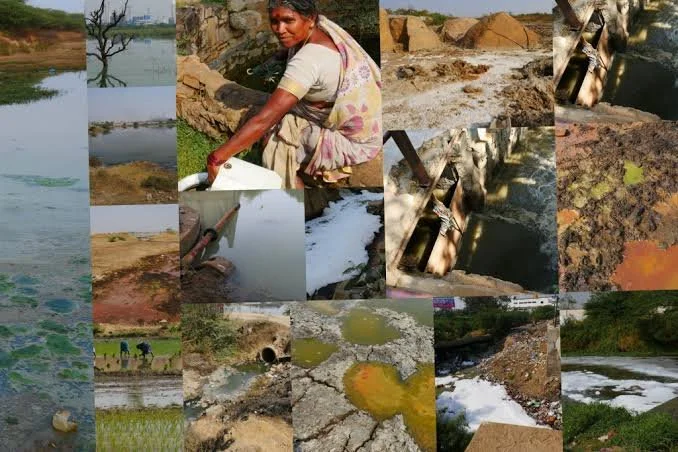
Would you believe that the drugs we rely on to relieve pain and mitigate illness are having a detrimental effect on Earth’s ecosystems? From changing the gender of aquatic species to altering microbial communities to bringing other animals to the brink of extinction, once medication enters the environment it can really disrupt the natural order of life.
That said, there’s work being done in many corners of the globe to deal with this emerging issue. Let’s look at what’s happening to lower the risk and redirect drugs to where they can do less damage.
Worldwide attention
As recently as 11 years ago, pharmaceutical pollution was discussed on the world stage. There was a recognition that Environmentally Persistent Pharmaceutical Pollutants, or EPPPs, where causing harm to the planet. EPPPs are pharmaceutical components designed to be non-degradable or to slowly degrade over time, and they’re manufactured like this so they don’t degrade when consumed by humans or animals.
In 2015, these chemicals were brought forward as an emerging issue that needed policy attention under the Strategic Approach to International Chemicals Management (SAICM) at the fourth meeting of the International Conference on Chemicals Management (ICCM). Participating stakeholders pledged to work together to raise awareness among policy makers and other invested parties about the risks posed by this medical pollution. The goal was to provide evidence-based information to governments. In 2023, the fifth session of the ICCM reaffirmed this commitment.
The United Nations Environment Programme (UNEP) is charged with reducing the negative impact of chemicals and pollution on the environment and human health. EPPPs are on their radar, and they’re actively consulting with stakeholders and developing technical material. Furthermore, UNEP is collaborating with the World Health Organization (WHO) to create best practices to guide countries and stakeholders worldwide in handling EPPPs.
Knowledge is power
The task of informing the general public and interested parties about the dangers of pharmaceutical pollution has been taken up by several global organizations. In cooperation with WHO and the Geneva Environment Network, UNEP is leading a number of outreach events, developing communication products, and publishing educational materials. The awareness-raising events feature webinars on innovation, preventative measures, and the management of waste and wastewater.
These workshops give those in attendance, ranging from governments, nonprofits, academic institutions, intergovernmental organizations, and the private sector an opportunity to learn about practical mitigation methods, and to share information and ideas. The potential outcome is a better approach to managing a growing list of pharmaceutical products and, at the same time, finding ways to protect the world’s water from chemical contamination.
Safer medication disposal
A simple system for keeping medicines out of landfills and water systems is to tackle the problem at the source with options for proper disposal. These can include take-back schemes where people can drop off their unused medication at a collection depot. The success of this system depends on coordination, accessibility, and encouraging parties to opt in to the arrangement.
If individuals with pharmaceuticals to discard know where they can drop them off and these places are convenient and easy to get to, safe disposal sites can be a reasonable solution. Granted, there needs to be sufficient uptake by those businesses or organizations collecting the drugs. To facilitate take-back plans, UNEP has put together a helpful document called “Safe Disposal of Unused Medicines – A One Health Approach for National Systems.”
Better water treatment technology
There’s no question that state-of-the-art wastewater treatment facilities have a big role to play in addressing the issue of drug pollution. Wastewater treatment plants have been around for some time, and although advancements in the processes have continued over the years, these systems were not initially designed to extract drug chemicals from the water. However, some of the newest methods being used are showing promise in removing pharmaceutical residue. These include advanced oxidation processes, carbon filtration, and ozonation.
Enhanced policies and monitoring
A critical step in reducing drug compounds leaching into the environment involves strong policies and monitoring practices. The suggestion from experts is that when any new drug is approved, it should be accompanied by a study of the risks to the ecosystem. This responsibility falls to governments, as does setting up effective programs to monitor how drug chemicals are getting into the waterways. Another important measure involves tougher tracking and controls for discharge from pharmaceutical manufacturing companies.
Innovative research
Research is largely the purview of governments, academic institutions, and industry, who often work in partnership. So-called “green pharmacy” is a developing area of study that focuses on producing medications that work effectively for patients and break down more readily once released into nature. In addition, bioremediation technologies are currently being explored. These employ algae, bacteria, and fungi to break down drug components into less damaging substances.
In closing
The impact of pharmaceutical pollution has certainly grabbed the world’s attention with work underway on several fronts to reduce the harmful effects.