5 Countries That Have Given Nature the Rights of a Person
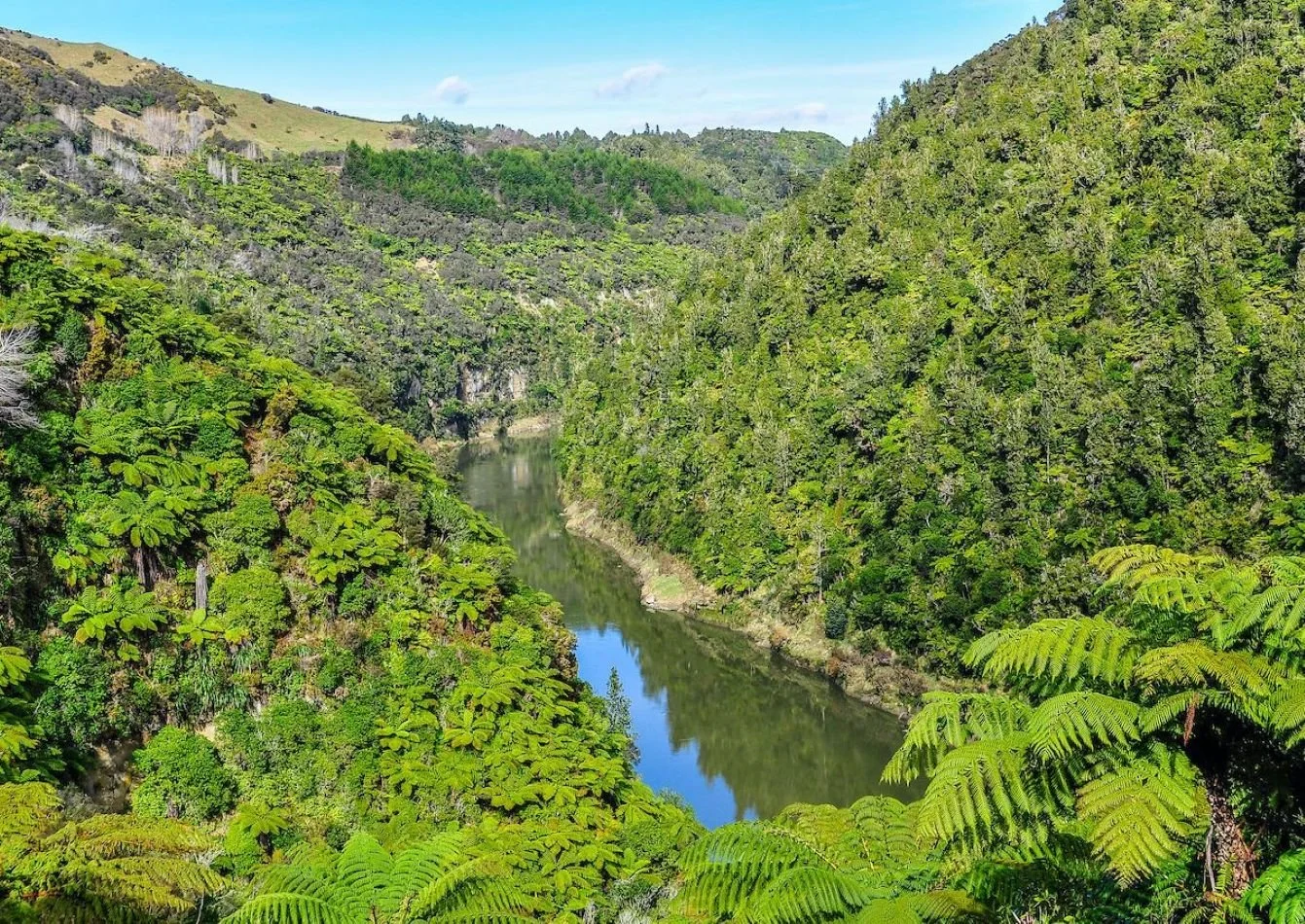
The effects of climate change on our planet and other worrisome ecosystem problems have been recognized for a long time. It’s one thing to understand what’s happening and another to put in place measures to help change course.
Conservation efforts around the world vary, with some showing more promise than others. One controversial move involves a number of governments rising to the climate challenge by granting rights to nature. Here’s a closer look.
The common thread
Let’s examine what it actually means to grant rights to nature. It can stem from a deeply held cultural belief that nature is a living presence. For instance, the term Mother Nature suggests this. Another example is the use of Mother Ganges in India to refer to the Ganges river.
Historically, environmental laws have spoken about the need to safeguard nature for the use of humans. Only recently has this emphasis on protecting the natural world for people shifted to an eco-centric objective focused on looking after nature for its own sake. That said, giving the environment the legal protections of personhood is a step that a small group of countries have adopted.
Beliefs in Bolivia
In Bolivia, the majority of the population traces their ancestry back to the first people who lived in this part of South America. Like many indigenous groups around the world, Bolivians have a strong connection to the natural environment. In 2012, the country passed “The Framework Law on Mother Earth and Integral Development to Live Well.”
This important piece of legislation declares that Mother Earth has personhood rights and related protections. The law includes a respect for the rights of Indigenous people, their knowledge of the natural world, and their belief in the capacity within nature for the ecosystem to regenerate. Moreover, this framework legislation stipulates that people must respect nature and live in harmony with it.
Ecuador ahead of the curve
Would you believe that Ecuador was the first country worldwide to enshrine rights for nature in law? In fact, Mother Earth, or “Pachamama” is recognized in the country’s constitution as having the legal right to “maintain and generate its cycles, structure, functions, and evolutionary processes.” This was written and implemented in 1980 and came about as a result of a court case about protecting the rainforest from mining.
The watershed decision by a high court compelled the country’s government to revoke mining permits they’d given to Bolivia’s state mining company, Enami, and its Canadian counterpart. These permits had allowed them to mine for exploratory reasons in Los Cedros, a protected part of the rainforest. The court was concerned about the impact that its operations would have on species in the area and the sensitive ecosystem.
India witnesses nature’s vulnerability
A high court in another country likened nature to a vulnerable person who had no one to protect it. This occurred in Chennai, the capital of the state of Tamil Nadu. The judge stated that, as such, the state needed to step in and protect nature like they would a child or at-risk member of society. The doctrine of “parens patriae” (parent of the nation) was invoked to permit the state to intervene.
The judgment emphasized that the natural environment should be preserved as it had been by previous generations in India. In addition, it spoke of granting nature the same constitutional rights as the country’s citizens.
New Zealand’s Maoris and the government agree
Forests and rivers have guaranteed legal protection in New Zealand, according to two settlement agreements. These contracts fall under the foundation document for the country, known as the Treaty of Waitangi and were signed by the indigenous Maori iwi and the government of New Zealand.
The first agreement is the Te Urewera Act of 2012 that saw legal personhood replace the former national park status of the Urewera Forest. Embedded in the document is Maori language that speaks to the forest’s authority, or “mana,” and life force, or “mauri.” The second settlement agreement was signed in 2014. It was drawn up between the country’s government and the Whanganui iwi, conferring personhood rights on the Whanganui river. References were made to the “spirit” of the river as being its own entity.
Pennsylvania leads the way in the U.S.
In 2006, Pennsylvania was the first U.S. state to legislate the protections of personhood for nature. It began with the borough of Tamaqua writing these safeguards into their laws. Before long, over three dozen municipalities followed suit with similar statutes or ordinances.
Pennsylvania is one of the founding states in the United States, and by 2010 the city of Pittsburgh joined smaller communities to take its place as the first major municipality in the country to acknowledge the right of nature.
In closing
Bolivia, Ecuador, India, New Zealand and the Unites States represent the five countries that are breaking new ground in conservation strategies by giving nature legal status.