Amazing Amaretto—A Sweet Italian Treat
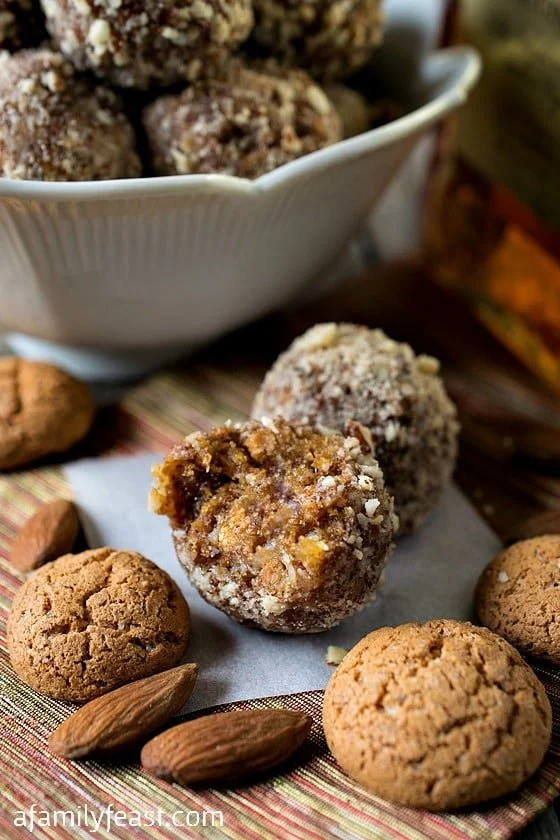
If you’ve ever had amaretto, you probably haven’t forgotten its unique taste. This almond-flavored liqueur is traditionally made from alcohol steeped in almonds or apricot pits, which produce a natural almond-like flavor.
While amaretto is often enjoyed as an aperitif or in cocktails, it can be found in a range of recipes from desserts to candy, such as Chipurnoi Confectionary’s popular Glitterati Amaretto D’Italia hard candies. Walk into the kitchen of any chef, baker, or candymaker with Italian heritage, and you’re apt to find a bottle of this sweet, distinctive liqueur. Here’s a closer look at the history of amaretto and its many culinary applications.
The origin story
Legend has it that amaretto was created in Saronno, a small city in the Lombardy region of Italy. Interestingly, two families in the community both claim to have invented the liqueur. One family, the Reinas, tells the story of a female innkeeper relation who developed the drink centuries ago, offering a taste to Bernardino Luini, a Renaissance painter and pupil of Leonardo da Vinci. It’s alleged the artist painted a fresco of the Madonna, using the innkeeper as his model.
In the early 1900s, the Reina family bottled their recipe. They marketed the product as coming from Saronno, labelling it “Di Saronno.” By the 1960s, the Disaronno brand of amaretto was exported to the United States and other countries. Subsequently renaming the liqueur Disaronno Originale was an attempt to distinguish it as the original Italian amaretto.
The other amaretto origin tale credits the Lazzaroni family with the creation of this sweet concoction. Also from Saronno, the Lazzaronis have been selling the liqueur since the mid-1800s. The main producer of amaretto in the current marketplace, they sell over one million bottles annually. The family-owned company is also the name behind the liqueur-flavored amaretti cookies.
These families were likely not the first to create an almond-flavored spirit, however. Bitter almonds were steeped in wine to make a flavored alcoholic drink during the Roman Empire, and this approach may have been adopted in making amaretto using almonds, burnt sugar, and brandy. The name “amaretto” means “little bitter” in the Italian language, signifying a mildly bitter note amid the nutty sweetness.
Amaretto today
The popularity of amaretto has, over time, extended far beyond Italy’s boarders. The Disaronno brand continues to be produced and marketed from Lombardy to customers around the globe. The centuries-old recipe includes apricot kernel oil, burnt sugar, and various herbs and fruits.
The Lazzaroni company flavors its amaretto with its famous cookies. Made with sugar, egg white, and apricot kernels, the cookies are baked, then crushed and soaked in alcohol; the mixture is then filtered and other ingredients are added. The resulting amaretto boasts a flavor combination of roasted almond, spices, dried fruits, and marzipan.
Still other recipes are used by amaretto makers in different parts of Italy. For instance, Tuscany produces an amaretto variation made with almond oil and 27 distinct herbs and spices for a unique taste. In Gussago, Lombardy, the Distillerie Franciacorta attributes the sweetness in its amaretto to a secret formula. Meanwhile, a nut-free version that incorporates apricot, cherry, and peach pits comes from Veneto.
Amaretto is also made in countries other than Italy, including Canada, the Netherlands, and the United States. Liqueur connoisseurs have the option of creating it at home, with recipes often using vodka as the spirit base.
How amaretto is used
Typically, amaretto is enjoyed as a drink on its own, normally served over ice or mixed with other spirits like cognac, rum, vodka, or whiskey to make a delicious cocktail. It goes great with cola and coffee-flavored drinks as well. When orgeat syrup isn’t available, this liqueur is an excellent stand-in. In contrast to other spirits that contain around 40% alcohol by volume (ABV), amaretto has an ABV of around 20% to 28%.
However, there are a range of other uses for amaretto besides cocktails. A shot can be added to coffee for a distinctive kick. In candies, it provides a warm, sophisticated flavor—as in Glitterati Amaretto D’Italia from Chipurnoi Confectionary—that stands in contrast to more typical sugar and fruity flavors.
In baked goods and desserts, this liqueur beautifully complements chocolate. Tiramisu, a much-loved Italian cake, often contains amaretto. It might be added to whipped cream, used in making chocolate truffles, or employed to boost the taste of a host of delectable desserts like cheesecake and various fruit and nut cakes. A simple approach is to pour a shot of amaretto straight over ice cream.
In addition to sweet foods, this liqueur can enhance savory dishes. For example, chicken, pork, and vegetables can all benefit from amaretto’s rich almond flavor.
A sweet flavor that stands apart
If you’re going to try amaretto for the first time, whether in a cocktail, candy, or sweet dessert, you’re in for a treat. Be mindful that some amaretti are sweeter than others, and some tend to be more on the nutty side. However, you really can’t go wrong—sample a few and see which you like best!