6 Important Nutrients for Older Adults
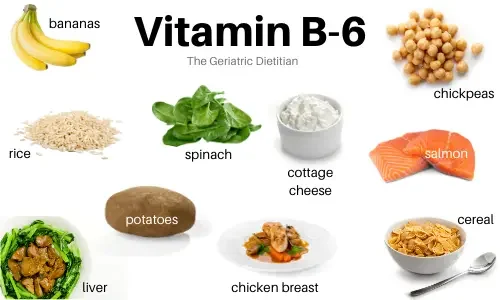
As our bodies age, it’s critical to be mindful of what we’re putting in them. Even if you follow a relatively healthy eating plan, growing older means that your nutritional requirements may change somewhat. By becoming aware of the range of nutrients you need and the quantities that are necessary to support your health as a senior, you will be better positioned to optimize your diet and reduce the chance of age-related conditions and diseases. Following is a rundown of several important nutrients.
Calcium
Calcium is taken from food and stored in your bones. It’s necessary for the proper functioning of your blood vessels, cells, muscles, and nerves. This mineral works closely with vitamin D to build strong bones throughout our lifetime. As we age, it becomes increasingly difficult to sustain sufficient calcium. Bones break more readily as mature bodies begin to lose higher amounts of calcium than they absorb. This is particularly true for women after menopause.
To counteract the challenges of aging, seniors should aim to ingest about 20% more calcium than younger adults. Good sources of this nutrient include dairy products like cheese, milk and yogurt, canned fish, dark-green leafy vegetables, and any food that’s fortified with calcium.
Fiber
You may associate fiber with digestive health since it’s important for motility and waste elimination. However, that’s not all it does. Fiber has a preventative role where strokes are concerned, and it helps to lower your blood sugar and cholesterol. Adults aged 50 and older need an adequate amount of fiber, with men requiring 30 grams per day and women somewhat less, on average, at 21 grams.
The best place to find dietary fiber is in the whole foods section of your grocery store. This is where you can pick up a variety of fruits and vegetables. If you’re buying bread or pasta, make it whole grains for sufficient fiber. Aim for at least six servings of whole grains and eight servings of fruit or vegetables.
Magnesium
Magnesium helps your body to build bone and synthesize protein. In addition, it helps the nerves and muscles to function, and stabilizes blood sugar. Furthermore, it’s involved in energy production and has antioxidants that help to reduce the potential for damage to the body from free-radicals.
Signs of magnesium deficiency include chronic inflammation, oxidative stress, and a host of age-related illnesses such as atherosclerosis, diabetes, immune issues, metabolic syndrome, and muscle loss.
Leafy greens, nuts, seeds, and whole grains are the primary sources of magnesium. Older individuals taking medication should check to see if they might lower their magnesium levels. It’s recommended that women strive for 310 to 320 milligrams daily and men consume 400 to 420 milligrams.
Omega-3s
Omega-3s are fatty acids, and your body can’t produce them. They’re referred to as “essential” fatty acids and are instrumental in maintaining a healthy brain, eyes, and sperm cells. It’s suggested that omega-3s may lower the risk of certain age-related conditions like Alzheimer’s; arthritis; and macular degeneration, which is the primary cause of vision loss in older adults. What’s more, this nutrient has anti-inflammatory characteristics and is believed to reduce mortality from all causes, not the least of which is cancer and heart disease.
Good sources of omega-3s are canola oil, chia seeds, fatty fish, flaxseeds, and walnuts. In general, a daily intake of 250 to 500 milligrams is advised. Seniors who aren’t able to get enough of this compound in their diet may find supplements like fish oil capsules easier to access.
Potassium
This is a nutrient that’s needed throughout your body. Your heart, kidneys, nerves, and muscles are all more effective when sufficient potassium is present. In addition, it guards against serious health conditions including stroke, osteoporosis, and high blood pressure.
It’s not uncommon for people to have an inadequate amount of potassium in their diet, and this includes seniors. Bananas, dried apricots, milk, spinach, and yogurt offer an excellent way to increase your potassium intake.
Probiotics
Basically, probiotics are “good” bacteria that promote gut health. Irritable bowel syndrome, chronic diarrhea, and other digesting problems can be relieved by eating foods with probiotics. Moreover, these substances benefit the immune system, may reduce allergic reactions, and can improve your mental well-being.
One reason why probiotics are good for aging bodies is that they support proper cell growth and encourage healthy gut microbiota to flourish, quite possibility boosting longevity.
Fermented foods are the best source of probiotics. This means opting for kefir, sauerkraut and yogurt. Since it can be difficult to always incorporate these items into your diet, older adults may benefit from taking a daily supplement.
In closing
These six nutrients are necessary for optimal health. As we grow older and face more age-related ailments, it becomes increasingly important to pay attention to what we eat.