Chocolate: The Past and Present of the World’s Favorite Treat
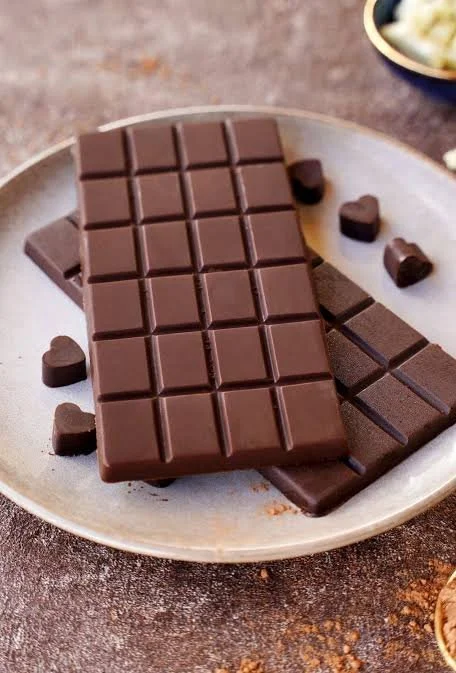
Chocolate is one of the all-time favorite sweet treats. Since the domestication of the cacao tree around 3300 BC, chocolate has delighted people around the world. Aside from its delicious taste, people have also valued chocolate for its perceived medicinal properties and for ceremonial uses. One of the first references to people consuming chocolate dates to 600 BC, when it was described as having psychedelic attributes.
The origin story
Chocolate has a very long history, beginning over 5,000 years ago in what is now Ecuador and Peru, where the Mayo-Chinchipe people began cultivating the cacao tree. They likely ate the soft pulp of the cacao fruit and fermented it to produce an alcoholic drink. Cultivation of the cacao tree spread throughout Mesoamerica, with different peoples developing different varieties. The Olmecs, who lived in what is now Mexico from 1200 to 400 BC, also made a cacao beverage and may have consumed it during ceremonies.
The Maya civilization embraced the cacao fruit extensively and were the first to process it into chocolate. The bean of the fruit was roasted, pounded into a paste, then mixed with water and other ingredients. During this process, cacao butter could be skimmed off the top of the mixture when heated. This chocolate was consumed during ceremonies, weddings, and feasts as a frothy beverage, while cacao beans were even used as currency.
Later, the Aztecs of central Mexico prized chocolate as a luxury drink bestowed on them by the god Quetzalcoatl and believed it caused hallucinations. They offered chocolate as tribute to gods and enjoyed it during feasts and banquets, served both hot and cold and mixed with flavorings like honey, vanilla, and ground or dried chili peppers.
Chocolate comes to Europe
There are different accounts regarding who introduced chocolate to the Europeans, but most agree that Spain was the country that embraced it and made it popular throughout the continent as they colonized the Americas. Chocolate was initially viewed through many lenses, as it was across the Atlantic—as a medicinal product, in religious rituals, and for its so-called aphrodisiac properties.
By the late 1500s, a chocolate liquor was favored by Spanish aristocracy, and chocolate consumption gradually grew among the wealthy. Spanish friars took the bitter drink and sweetened it with honey, making it more appealing to the population that could afford it. This sweetening paved the way for a more palatable type of chocolate, similar to today’s fare.
This unique product was kept under wraps for almost a century by Spain’s influential elite. The chocolate beverage recipe remained a secret, closely guarded by the monks that made it. This gave the country somewhat of an edge in the chocolate trade across Europe. However, over time the secret spread, and chocolate made its way to Portugal, Italy, and other European nations, largely spread by religious orders.
The 17th century saw the popularity of this food surge with chocolate beverages consumed by Europe’s upper class and its reputation as an aphrodisiac carried forward. Chocolate remained expensive to import; most of it came from Venezuela. During this time, there was some debate within the church as to whether chocolate was both a drink and a food or simply a beverage. Several Catholic popes confirmed that consuming it did not break a fast.
A taste evolution
In the mid-1600s, chocolate was transported from Europe to England. It was on the menu as a drink in coffee establishments alongside coffee and tea. Cocoa arrived from Jamaican plantations when the British conquered this previously-held Spanish territory. The beverage served here was more basic, without jasmine and other botanical ingredients common in parts of Europe. North American colonies were introduced to chocolate from Britain in the late 1600s.
Gradually, chocolate evolved from a drink reserved for the affluent to a solid food enjoyed by the masses. The industrial revolution brought manufacturing systems allowing 19th century chocolate makers to increase their production capabilities. British and Swiss chocolatiers took advantage of new technologies to expand market share.
In the early 1800s, a patent was granted to a Dutch chemist to make Dutch cocoa by removing cocoa butter from chocolate liquor. This resulted in economical chocolate sold in powder and solid form that was available to the average consumer. Quakers in Britain were active in the chocolate business, launching firms like Cadbury, J.S. Fry & Sons, and Rowntree’s. As teetotalers, they relished a chocolate drink as an alternative to alcohol. Fry’s is often credited with inventing the first real chocolate bar by mixing sugar with cocoa butter and powder into a dry form. Boxed chocolates and Easter eggs were product inventions of the 19th century, as was milk chocolate. As the 20th century began, the market for chocolate was growing dramatically in Western nations.
Modern times
Fast forward to today, and the chocolate offerings available would astonish the Mesoamericans and Europeans who contributed to the development of this sweet treat. Whether in candy, cake, ice cream, or a drink, there’s no question that the taste of chocolate is the first dessert choice for many people today. Chocolate continues to delight us, just as it has been doing for thousands of years.