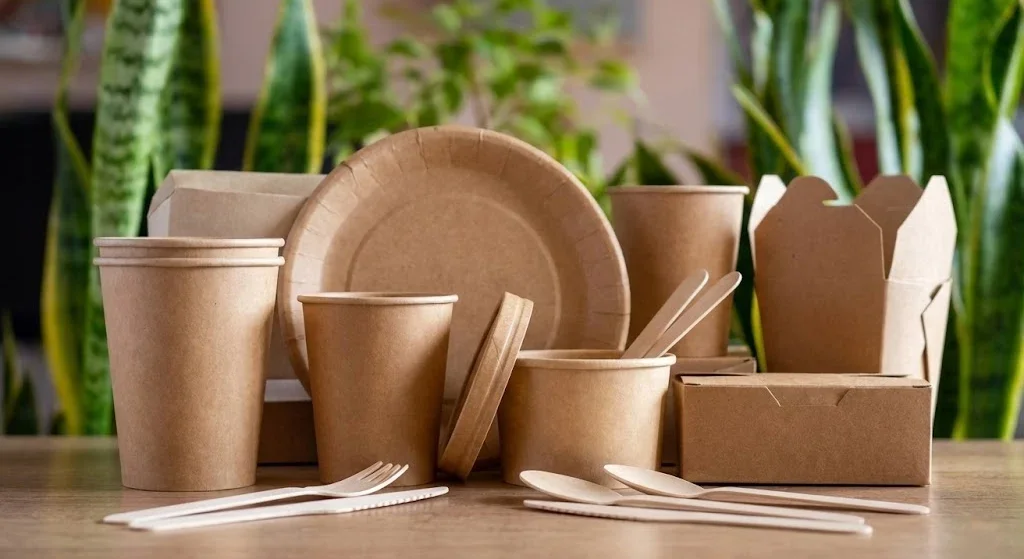
Biodegradable products have been embraced as an innovation designed to reduce the amount of waste from packaging and other convenience items. The idea behind this is simple. Materials that compost over time should result in less pollution and put considerably less pressure on the environment. However, not all biodegradable materials are created equal. Let’s explore some interesting innovations and their characteristics.
Biodegradable products defined
Basically, compostable substances are built to naturally break down—typically in a matter of months to several years—into carbon dioxide, organic matter, water, and other harmless components. For this to be effective, the biodegradable items have to be exposed to the right conditions that will allow the microorganisms that do the work to flourish.
Given the optimal environment, bacteria and fungi will slowly help to decompose the product. This can occur with or without oxygen present and is dependent on the type of molecular structure of the material, among other things. The key in determining whether an item is truly biodegradable is whether it meets a pre-determined scientific standard that ensures no harmful microplastics or toxic residue remain after composting.
Biodegradable items are in high demand by environmentally conscious consumers and the packaging and retail industry. Even so, it’s important to note that many products with an eco-friendly or biodegradable label aren’t able to live up to their claims. In essence, a product is only really biodegradable if it’s made of a renewable and properly managed resource like cellulose, corn starch, or seaweed; breaks down quickly in the natural environment instead of a composting facility; and fully decomposes without leaving behind chemical or plastic pollution.
For instance, common plastic items made from petroleum take hundreds or thousands of years to break down and can leave behind microplastics and toxins, and therefore do not meet the definition of truly biodegradable. Following are seven examples of eco-friendly compostable materials.
1. Bamboo fiber
One kind of biodegradable material is bamboo fiber made from bamboo plant stalks. This durable substance is flexible and strong and has natural antimicrobial properties. Bamboo grows very fast and needs little cultivation. This fiber is used not only in compostable packaging, but also to make textiles and utensils. A downside is that textile fiber may involve chemical processing.
2. Cellulose-based film
This type of film is very similar to plastic film in appearance although it’s constructed by dissolving cellulose in chemicals and shaping it into a thin film. While it relies on organic materials, the process is expensive and requires a significant amount of energy. In addition, these films are less efficient than plastic in terms of providing protection against moisture and oxygen. That said, the film will decompose under the right conditions.
3. Coffee fiber
Discarded coffee grounds are mixed together with natural binders to produce a coffee fiber that’s highly versatile. It can be molded into packaging or composite materials and used for textiles. Part of the appeal of coffee fiber is that it’s aromatic and has a natural pigmentation. It will break down readily in a simple home composter. But coffee fiber isn’t terribly strong and not yet widely available.
4. Cork
Cork is widely used in everything from acoustic panels and flooring to the humble bottle stopper. It comes from the outer bark of a cork oak tree, and is sustainable since cork can be harvested from a mature tree every nine to 12 years without harming the oak. And, these trees can live more than 200 years. Lightweight and water-resistant, cork has a few drawbacks. For instance, the trees only grow in certain parts of the world and producing some items from cork is energy-intensive.
5. Hemp
Cannabis plant stalks are turned into hemp fiber that might become construction material, compostable plastics, or textiles. Hemp is easy to cultivate, grows quickly, and requires little water. The resulting material is known for its strength and versatility, although there may be regulations restricting its use in some jurisdictions, and processing relies on specialized equipment.
6. Polyhydroxyalkanoates
Polyhydroxyalkanoates (PHA) are constructed from bacteria that consume plant sugars or lipids. This is a naturally occurring process that has been brought into the laboratory to make strong biodegradable materials that decompose quickly in soil and water. PHA is commonly turned into packaging and single-use items like straws. This substance may also be used in medical implants, 3D printing, and paper coatings. PHA is quite strong and can be made flexible or rigid depending on the application.
7. Polylactic acid
Polylactic acid (PLA) begins as fermented plant starch, most often corn or sugarcane. It shows up in disposable packaging and utensils and 3D printing. With properties not unlike plastic, PLA is favored by the manufacturing industry. It’s non-toxic and will compost in high-temperatures, rather than in water or landfills.
In closing
These seven compostable materials illustrate some serious efforts to reduce pollution.