The Hidden Cost of Technology: E-waste and Heavy Metal Contamination
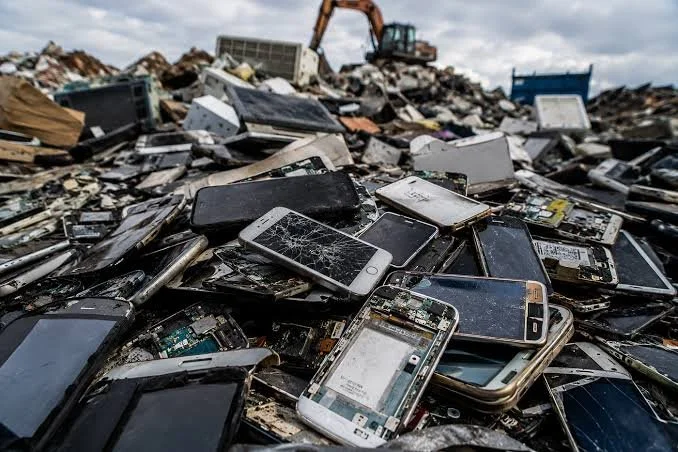
When we think of pollution, household garbage, automobile exhaust, and industrial waste are likely the first things that come to mind. However, there’s a growing concern among environmentalists and others about the damage done by e-waste and heavy metals like lithium, lead, and mercury. Following is what you need to be aware of.
E-waste defined
Essentially, e-waste comes from any device that’s battery-powered or that plugs into an electrical outlet. Would you believe that some 59.1 million tons of e-waste was produced worldwide in 2019? And, the percentage keeps rising, year over year. The World Health Organization (WHO) estimates that about 82.4 million tons of this pollutant will be generated by 2030. Furthermore, a small percentage of e-waste is recycled—17.4 percent in 2019. Countries like Canada, the European Union, and the United States are some of the worst offenders.
Progress leads to pollution
Increasingly, industries are finding ways to harness technology. Driven by the need to stay relevant in the marketplace, companies are continuously updating electronic devices. Artificial intelligence and connectivity between devices and home appliances that have smart features are at the forefront of this evolution, and consumer demand is high.
For instance, in 2022 the average household in the US had 25 connected devices such as smart speakers and smartwatches, a huge increase over 11 devices in 2019. As people buy the latest and greatest electronics, more devices are potentially discarded into landfills. Add to this the fact that some devices don’t last very long because they’re challenging to repair or the software support just isn’t there after a few years.
How e-waste pollutes
When e-waste contaminants leach into the soil, they can readily make their way into the groundwater. Then, they’re carried off downstream into various water systems. Lakes, rivers, and ponds all fall prey to this pollution. The chemicals then hurt flora and fauna, contaminating the crops and fish that people eat.
What’s more, e-waste releases greenhouse gas emissions into the atmosphere when it’s incinerated. While the possible long-term impact of this environmental damage is difficult to assess, the Earth is already struggling with industrial pollution and adding more is definitely concerning.
Health risks
Exposure to hazardous waste can have grave health consequences. It’s not uncommon for employees at e-waste sites to work without sufficient protection. In addition, individuals living in communities where the environment is polluted by these substances can also contract illnesses.
Toxins from e-waste, including brominated flame retardants, cadmium, lead, and mercury, can damage the body’s internal organs, harming the brain, heart, liver, nervous system, and reproductive system. Many of these hazardous chemicals are categorized as dioxin-related compounds that can accumulate in the body, resulting in long-term harm.
It’s been demonstrated that these contaminants interfere with early childhood development, lead to hormone imbalances, and increase the likelihood of a number of kinds of cancer. The health risks are higher for vulnerable populations like children, older adults, and pregnant women.
Impact on developing nations
What’s also worrisome is that e-waste is sometimes exported to developing countries where it’s left in landfills that are not properly managed. Recycling programs are few and far between in these jurisdictions. The electronics are processed using crude methods, incinerated, or melted with acid to separate the precious metals.
This illegal export practice takes advantage of more lax laws and lower labor costs. A 2021 report by WHO indicated that the volume of e-waste increased by 63 percent in East and South-East Asia from 2010 to 2015, for example. Asia, Africa, and India all receive e-waste from other countries.
Employees generally work in unsafe conditions and child labor is often used. Here, children are often employed to take apart electronics. These youngsters work without protective gear and their health suffers due to exposure to toxins. It’s typical for people to scavenge discarded electronics from these landfills in search of rare metals they can sell, exposing themselves to dangerous toxins in the process.
Economic impact
The absence of sufficient recycling schemes for e-waste is a lost opportunity. The discarded materials represent an economic loss. One case in point is that cellphones and other types of electronics contain precious metals, including copper, gold, and silver, which can be recovered and used again.
Repurposing these components from devices that have reached the end of their life can have a significant economic impact. It’s been calculated that approximately $60 million is lost each year in the United States when electronics aren’t recycled. Additionally, fewer non-renewable resources are required when e-waste in minimized. Plus, costly greenhouse gas emissions are reduced when there’s less manufacturing of electronics.
In closing
The ready availability of new and advanced electronics and the practice of discarding rather than recycling these items comes with a high cost for human health and the environment. The impact is multi-faceted and represents a chance to really make a difference.