A Look at How Climate Change Is Adversely Impacting Bees
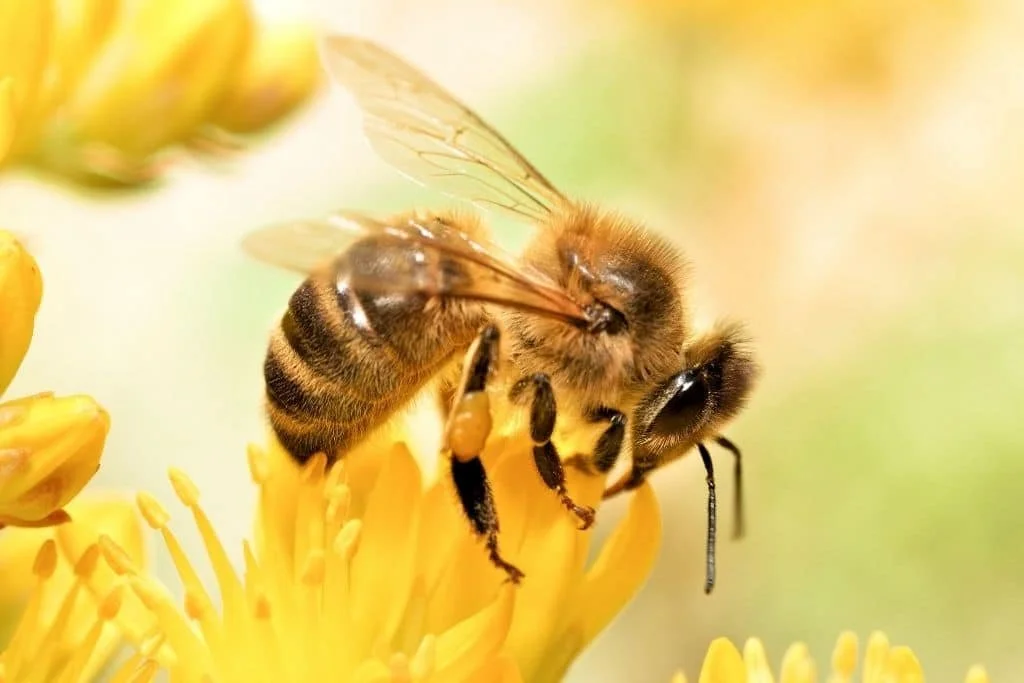
Climate change poses a risk to bees’ survival. The health of these tiny specimens has declined dramatically over the ensuing decades, more than any other time in history.
Let’s further examine bees’ place in the world and how climate change poses a threat.
Hardy Creatures
There are bee species living in every part of the planet except for Antarctica. They’re known to be tough and able to survive in a range of climates. These interesting creatures have been on our planet for some 33 million years, and the number of distinct species exceeds 20,000.
Beekeeping is a thriving business with honey farmers, or apiarists, caring for colonies of these small insects in hives, harvesting honey and beeswax and making related products.
In winter, honey bees practice a type of hibernation called “overwintering.” This involves the insects huddling together inside their hive to preserve their body heat once it drops below 50 degrees Fahrenheit. A honey bee born in the summer is mainly engaged in foraging. Meanwhile, a winter honey bee is born in late fall, and their primary job is to vibrate their wings to generate heat for their peers.
Interestingly, about one-third of the crops harvested for food are pollinated by bees. This includes food sources as diverse as almonds, apples, berries, broccoli, and melons. Without bees, these foods would be harder, if not impossible, to grow.
Habitats Are Disappearing
Warming temperatures make it harder for some vegetation to grow in places where they used to thrive. This puts bees at a disadvantage, as the range of plant species they typically feed on may change. A shrinking food supply is just one of the ways in which they lose their habitat. For some types of bees that feed on just one or two kinds of plants, this can be quite disastrous.
Extreme weather is one of the hallmarks of climate change. The Earth’s slowly warming atmosphere is accompanied by more droughts and hurricanes, longer wildfire seasons, rising sea levels, and other significant disruptions. This can impact bee habitats by destroying the land and the natural vegetation with extreme weather events such as forest fires, flooding, and droughts. Furthermore, bee populations can be wiped out entirely with hives and burrows decimated.
Plus, elevated temperatures reduce these creatures’ access to drinking water. Bees’ survival depends on being properly hydrated. When ponds and rivers have dried up and drought conditions persist, this could place bees under stress.
Another factor at play is that some bee populations attempt to migrate to colder environments in an effort to escape rising temperatures. However, adjusting to a new habitat isn’t always the answer. There’s the added pressure of living in an unfamiliar area with potentially fewer familiar plants to pollinate.
Seasonal and Temperature Changes
Earth’s slowly warming climate means the seasons are gradually changing. Ecosystems are adapting with plants blooming weeks or months ahead of schedule and staying in bloom for a shorter period of time. As a result, bees are no longer able to rely on the usual pollen and nectar sources.
Even a slight shift in pollen availability can jeopardize a bee’s health. With less food, their nutrition suffers and they can become more prone to disease. For managed hives, honey farmers are often able to save starving colonies with pollen and sugar water. For native and wild bees, unfortunately, it’s another story.
Additionally, certain species of bees are more sensitive to hotter weather than others and this is where extended periods of higher-than-normal temperatures can be particularly hard on their health. And, warmer winters may trick bees into thinking spring has arrived, prompting them to leave their overwintering state early. When they’re unable to find food and the temperature dips again to freezing, the entire colony might be put in harm’s way.
Finally, increased temperatures make it easier for particular parasites to flourish. One example is a crab-like mite called Varroa that has been one of the strongest threats to honey bees over the past few decades. Varroa travel on bees when they leave the hive to forage and if it takes them longer to find food, it gives the mite that much more time to connect with them. Infections from these pests can readily spread through bee colonies, especially if the bees are already in a weaker state due to less food intake or hotter days.
In Closing
Bees are among the toughest in the insect world. The substantial impact of climate change represent a call to action to preserve these amazing species.