The Relationship Between Plants and Climate Change
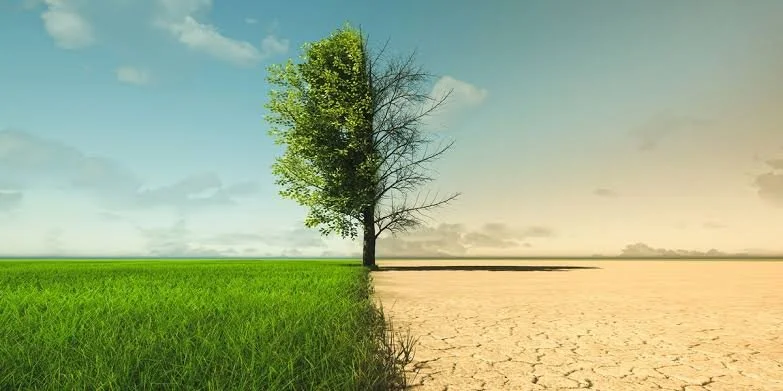
Our planet’s biodiversity is remarkable and dependent on healthy ecosystems, where plants have an important role. As the planet’s vegetation is increasingly threatened by climate change, it creates a host of problems. Let’s explore how plants are impacted by an unstable and warming climate and the risks this presents.
Role and Evolution of Plants
In nature, plants have many functions. They offer habitats for a multitude of organisms, convert carbon dioxide into oxygen, fertilize and protect soil from erosion, feed human and animal species, intercept or extract pollutants, and provide components for medicine.
Plants have evolved over millennia to adapt to their native environments. They have ways to cope with some ecosystem change and can adapt to new environmental conditions with time. Some species also have natural resiliencies to climate related stressors.
That said, scientists are concerned that wild vegetation may not have the capability to evolve at the rate necessary to meet the rapid pace of climate change. Research on plant evolution amid a rapidly warming climate remains limited, in part because research processes are often too slow and most studies involve stand-alone experiments. In turn, critical crops may face serious challenges in the near future due to rising global temperatures and erratic moisture levels.
Stress from Climate Change
Climate change has a tremendously negative effect on Earth’s vegetation. As the average temperature rises year over year, there are more droughts. This puts stress on plants, interfering with their productivity. Reduced plant productivity has potential consequences for all life within an ecosystem, as the food chain is built upon plants. Plants are also essential for human diets, providing base ingredients and feed for livestock. A reduction in food can put both human and animal populations at risk.
Higher average temperatures also causes more extreme hear events, which increases risk of wildfires that can destroy species’ habitats and disrupt sensitive ecosystems. Furthermore, the moisture content of soil changes in response to temperature increases, which forces forests to grow in higher elevations where temperatures are cooler. Such migrations impact the environments the trees leave and spread into.
Moreover, change in environmental conditions puts pressure on native plants and can allow invasive species to move in and take over. As this happens, flora that once thrived in a particular wetland or forest floor can disappear entirely. Another consequence indigenous vegetation may experience is a decline in their overall resilience, making them more vulnerable to invasive insects. Warmer average temperatures expands the territory range of tree- and vegetation-destroying pests, while milder winters boost reproductive success.
Rising sea levels are another effect of climate change, bringing seawater into nearby low-lying plant ecosystems. When saltwater intrudes into fresh groundwater and freshwater wells, wetland habitats become disrupted and vegetation is harmed.
Impact on Terrestrial Plants
Higher temperatures have caused plants to bloom earlier and that can be a challenge for pollinators. Pests and diseases tend to be more of a threat in warmer temperatures. Plus, a longer growing season gives insects the opportunity to do more damage to the flora they target.
Increased frequency and severity of flooding events due to climate change have also impacted plants. All plants species require specific levels of nitrogen for growth, but this nutrient is leached from the soil when there’s flooding. Additionally, insufficient oxygen in soil that’s oversaturated with water can destroy vegetation unable to survive in standing water.
Impact on Aquatic Plants
Water naturally absorbs heat, meaning that aquatic flora is more able to weather climate change. Even so, when air temperatures reach levels that alter water temperatures, the growth rates, reproductive patterns, physiological processes of aquatic vegetation are affected. Excess nutrients from land runoff and impurities from flooding and stormwater runoff create additional problems. Algae overgrowth from excessive nitrogen depletes the water’s oxygen levels, while introduced impurities suspended algae block or decrease sunlight from lower-water levels. In these circumstances, photosynthesis is compromised for plant species.
Helping Plants Adapt
While investigations to better understand climate change impacts on plant evolution are ongoing. Two strategies that have emerged to help maintain the planet’s plant diversity include assisted migration and protected areas.
Assisted migration is about helping plants relocate to a more suitable landscape by moving seed sources or populations. However, moving species to a new area requires thoughtful consideration, with an understanding of how it might acclimate to the designated habitat and potential disruptions to the new ecosystem. One example of an assisted migration project is from Minnesota. Here, climate scientists are monitoring the replacement of ash trees decimated by the invasive emerald ash borer with trees resilient to this insect.
Protected areas have been used for years to keep natural areas in good condition and protect them from various threats. The UN Convention on Biological Diversity regards them as the cornerstone of biodiversity conservation. Around the world, there are about 130,000 protected areas, representing 13 percent of surface land and 6 percent of marine areas.
In Closing
There’s no question that vegetation is affected by climate change, and the consequences can be dire. However, knowledge about how to help is increasing, and there’s certainly hope for the future.
Sources:
https://www.nps.gov/articles/000/plants-climateimpact.htm
https://climateadaptationplatform.com/study-reveals-how-plants-adapt-or-perish-under-climate-change/
https://earth.org/how-are-plants-and-animals-responding-to-climate-change/