Spotlight on Ethical Conservation Practices to Protect Nature
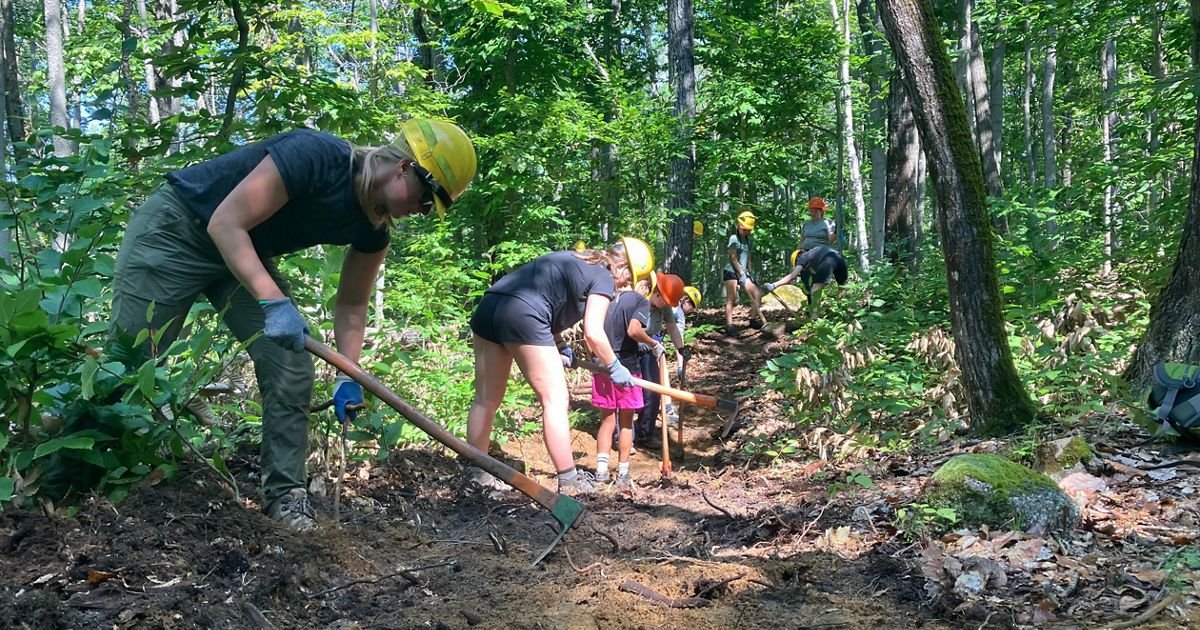
As scientific research uncovers more about threats to the Earth’s future, ethical frameworks have become necessary to guide conservation efforts. This is about taking responsible action to protect nature and preserve it for generations to come. Let’s look at what underpins ethical conservation practices and what’s involved in getting them right.
Ethics explained
An ethical approach to conservation requires a set of agreed-upon principles and related actions. It requires some soul searching on the part of policymakers to explore and define our moral obligation towards the Earth as its human inhabitants. This includes protecting the biodiversity of the planet, all ecosystems, and any other aspects of the natural world.
Ethical practices offer guidance about how to conserve resources such as air, flora, fauna, minerals, soil, water, and natural landscapes. Behind these practices is an intention to protect the Earth’s resources in a way that recognizes the inherent value of nature and respects its natural processes. Ethics in conservation focuses on taking actions that are fair and just.
Therefore, this is about more than reducing pollution. It’s a foundational shift that honors how people are interconnected with nature and the planet’s environment. This significant change in perspective is transformative in that it charts a new course for humanity in becoming stewards of the Earth rather than an attitude of domination that was commonly observed in the past. Gone is the idea that resources are plentiful and are there to be exploited by people without regard for the future impact.
Basic principles
There are five fundamental principles that underlie ethical conservation approaches. Following are the typical tenets that link all of these initiatives together.
The first is having respect for the natural environment. This is a recognition that all life on Earth and the ecosystems that sustain it are inherently worthy no matter whether they are useful to humans or not. It’s a testament to the value of nature for its own sake.
Next is the notion that sustainability is critical to safeguard the planet. This applies a future-oriented perspective to resource management and all conservation efforts. It seeks to ensure that any actions that humanity makes today will not be detrimental to the long-term health of the environment.
Preventing harm is the third principle. This requires examining conservation actions for any unintended damage that they may cause. It necessitates a strategic approach to planning, assessing the potential impact, and pivoting to mitigate any negative outcomes.
Another principle involves just and equitable decision-making. It is important to make sure that conservation measures affect everyone equally by taking into account the rights of local communities, indigenous populations, and disadvantaged groups who may depend on natural resources.
Finally, accountability and transparency factor into ethical conservation. People need to hear about conservation projects, understand what they may mean for their way of life, and have an opportunity to provide input. Honest communication is key and so are mechanisms for holding conservationists responsible for their actions and the results, intended or not.
Importance of ethical conservation
Ethical conservation practices unite humanity in a shared value system. Bringing people together to ponder the tough questions about how to save the Earth leads to discussions about the crucial role that people have in caring for the planet and the well-being of all life forms. These conversations reinforce the incredible influence that humans have and the effect of our decisions, both immediate and downstream.
The principles born of such deliberations are based on moral reasoning. In turn, ethical conservation approaches promote a practical path to navigate often complicated issues that humanity is faced with. Having an ethics-based framework to measure various conservation initiatives, legislation, and projects against means that solutions take into account the needs of all species around the globe, not just humans. This brings balance into the equation and the resulting actions are more easily defended.
Managing conflict and building consensus
Granted, setting out common ethical conservation principles is not an easy task. The parties involved will usually have dissimilar levels of knowledge and disparate points of view. Discussions will be dynamic, heated, and challenging. There will be diverse and conflicting interests and problems that will take some time to debate and resolve. Add to this any time-sensitive decisions, and building consensus under pressure can become even harder. Due to the wide range of ecological, economic, political, and social components, people may have unique priorities that are not shared by the group or well-understood.
A rigorous stakeholder engagement plan is key in getting ahead of potential conflicts and acquiring an appreciation for distinct situations. Some contributing groups may already have been using ethical conservation practices that others can learn from. However, certain parties with a stake in outcomes may subscribe to different values about conservation and biodiversity goals. Negotiating agreement demands conflict resolution procedures and recognition that there are bound to be some trade-offs along the way.
In closing
Ethical conservation practices are essential to preserve the Earth’s ecosystem. That said, building consensus around this issue takes effort, time and understanding.