6 Bird Species That Are Threatened with Extinction
Planet Earth is home to an incredible variety of birds, from shorebirds to birds of prey to songbirds and more. Alarmingly, about 1,400 bird species are considered threatened, including more than 600 that are endangered. The future of these birds is precarious, but conservation programs are helping, in some cases, to slowly increase their numbers. Here’s a look at six fascinating birds that feature prominently on lists of endangered and threatened species.
1. Burrowing owl
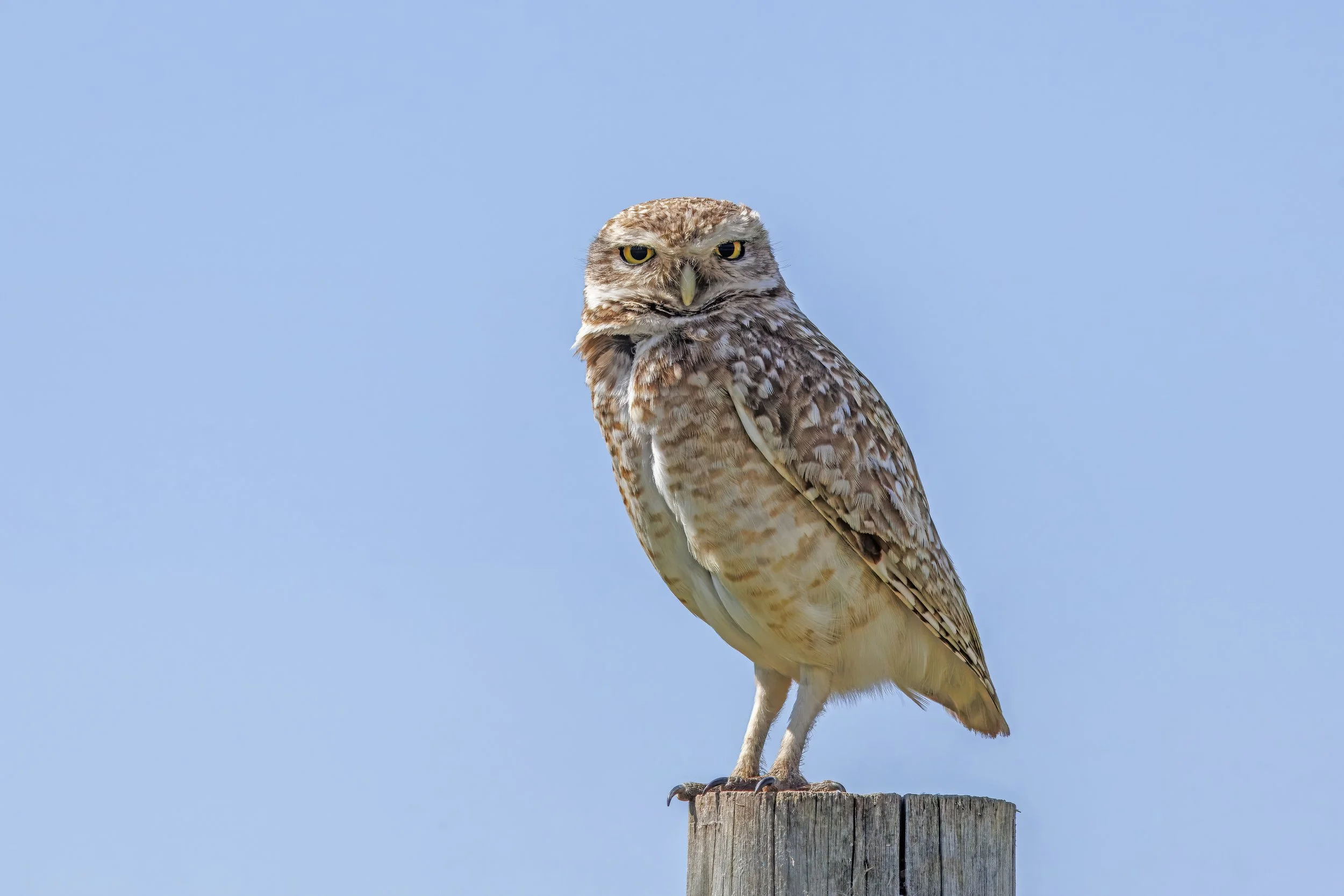
This exceptionally small member of the owl family is native to North and South America, where it is found in open prairie, grassland, and desert environments. It nests in burrows originally made by mammals like badgers, prairie dogs, and squirrels. The population in Canada is considered endangered and in California, they are a “species of special concern,” meaning they face significant threats and even local extinction.
To ward off predators, the burrowing owl makes a rattling hiss, sounding like a rattlesnake. About the size of a young pigeon, the bird has an earth-colored body with white flecks and white chest bars. While their plumage provides good camouflage, the species has been driven to the brink of extinction. Their habitats have been eliminated or fragmented as the land is taken over for crop cultivation. Agricultural pesticides have harmed them, but an even more significant threat is prairie dog and ground squirrel elimination programs. When farmers eliminate these rodents, which are considered pests, they kill off the animals that create the burrows where the owls nest.
2. California condor
The California condor boasts an enormous eight- to nine-foot wingspan and weighs in at up to 20 pounds, placing it among the largest birds native to North America. A type of vulture, these majestic creatures can be found in Southern California as well as a small area in Arizona and Utah. They once had a range from California to Florida and from Northern Mexico to Western Canada. California condors began to die off when their habitats were destroyed by development, they were poisoned with the pesticide DDT and lead from bullet fragments, and they fell victim to poaching.
The good news is that California condor numbers have increased thanks to a successful captive breeding program initiated in the late 1980s, when there were only a handful of condors left in the wild. As a result of these conservation efforts at zoos in Southern California, the population has rebounded to more than 500. The species is still considered threatened, however.
3. Golden-cheeked warbler
Unique to Texas, this small but beautiful species of warbler sports a brilliant patch of yellow feathers on the sides of its head. Its range is limited to a small swathe of central Texas, where it stays for the breeding season before flying to Mexico for the colder months. The golden-cheeked warbler is under federal protection due to several threats. It inhabits juniper and oak forests, where it forages for ants, beetles, caterpillars, insects, moths, and spiders, and these types of woodlands are shrinking with human development. Additionally, the bird is at risk because cowbirds use the warbler’s nest to lay their eggs, damaging or pushing out warbler eggs.
4. Whooping crane
North America is home to only two species of crane, the whooping crane and the sandhill crane. As the tallest bird on the continent, the whooping crane has snow-white plumage and a distinctive red cap. It’s known for its graceful courtship dance and loud call that sounds like a bugle. It was habitat loss and overhunting that led to less than 20 of these majestic specimens remaining by the 1940s. However, decades-long conservation programs focused on captive breeding and encouraging the birds to follow their traditional migratory habits have boosted the numbers of whooping cranes to over 800 individuals.
5. Hyacinth macaw
The hyacinth macaw is a beautiful blue parrot that takes its place in the bird family as the largest flying parrot in the world. These brilliantly colored birds live in the rainforests of the Amazon, where they nest in cavities of Manduvi trees. The birds were once found across Brazil until deforestation took a toll on their population. Land clearing, primarily for agriculture, continues to be the biggest threat to the hyacinth macaw. The species is also subject to poaching and capture for the exotic pet trade. For example, it’s estimated that in the 1980s as many as 10,000 birds were taken to be sold as pets. There are between 2,000 and 6,500 of these birds remaining in their natural environment today.
6. Kakapo
The world’s only flightless parrot is an excellent climber. Native to New Zealand, the kakapo is nocturnal and is also called the owl parrot due to its owl-like facial features. Another trait that sets it apart from other parrots is that it is believed to live the longest, from 60 to 90 years. Previous generations of this species resided across New Zealand in abundance.
However, the population of kakapos has declined steeply due to habitat destruction and predatory invasive species, such as cats, stoats, and non-native rats that came with European settlers beginning in the early 1800s. These mammals take eggs from unattended nests, stifling the bird’s ability to sustain its numbers. However, a dedicated conservation program has helped to increase the kakapo population. There are now around 230 wild birds living, residing on a few small islands and a sanctuary on mainland New Zealand.
The beauty and diversity of birds
These six species, though very different in size, appearance, and range, show the great diversity and beauty of birds. Although the future of these six birds is still uncertain, happily, conservation programs are underway that hope to reverse the risk of extinction.