Spotlight on 6 Fascinating New Marine Species
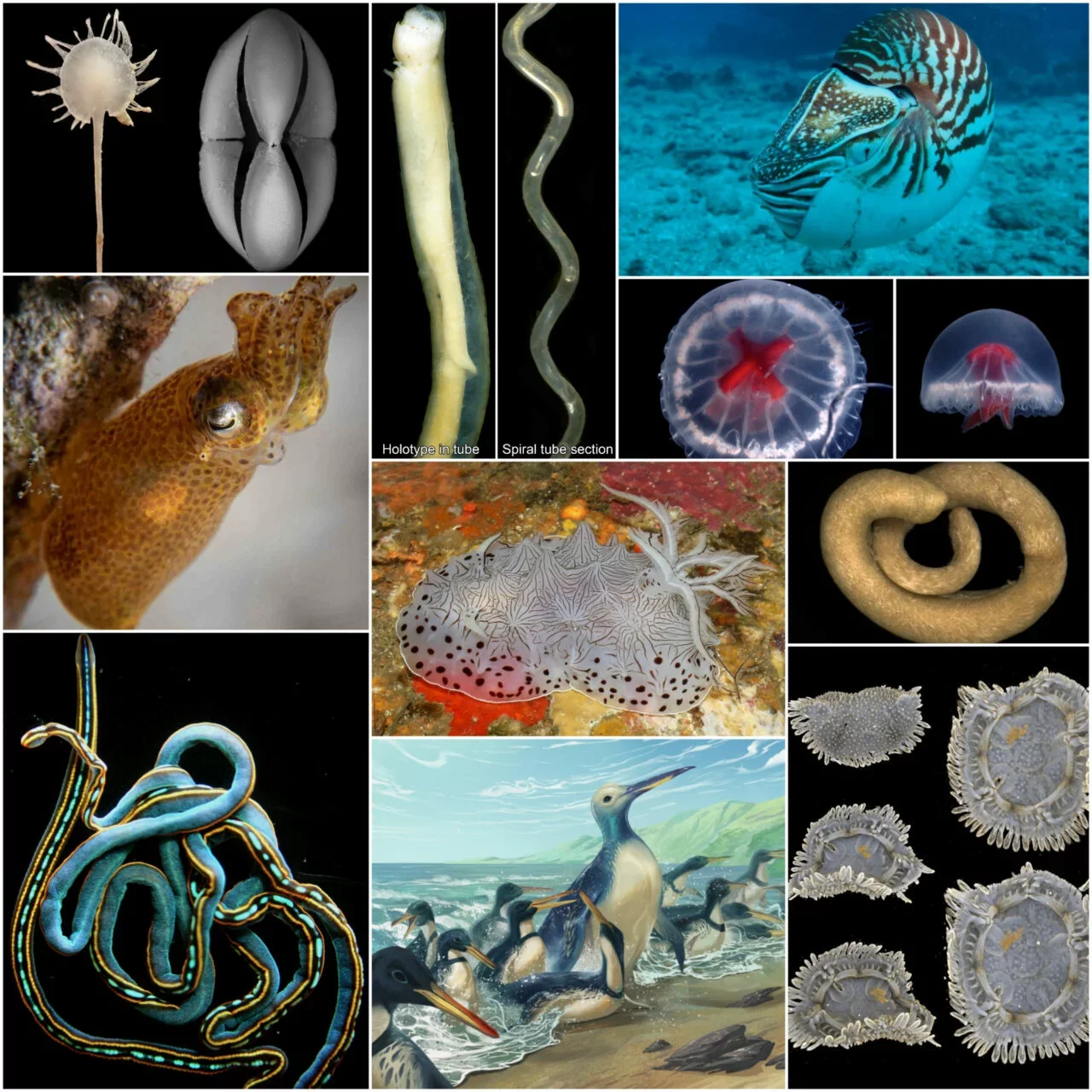
Marine exploration has unearthed some spectacular species. A joint collaboration led to the discovery of more than 800 new marine species. Scientists from different countries came together a few short years ago to launch the Nippon Foundation-Nekton Ocean Census. Launched in April 2023, the Ocean Census fast-tracked the identification of unique marine life, sponsoring 10 expeditions worldwide.
Marine biodiversity
It’s been hypothesized that humans have only found around 10% of the species that live in the ocean. The number of unknown marine life is between 1 million and 2 million. This leaves an incredibly large gap in our understanding of marine biodiversity. Add to that the fact that it typically takes about 13 or more years to identify and register a new species, and the scope of the issue comes more into focus.
At this rate, it’s not out of the question for species to become extinct before researchers have even recorded their existence. The benefit of an international team seems obvious in that it can speed up the discovery and documentation of new marine creatures. The result is that a host of new sea specimens has been registered to an accessible platform—developed in partnership with the United Nations—that’s searchable by researchers and the general public. Here are six of these interesting finds.
1. Rhinobatidae a new type of guitar shark
Rhinobatidae is the name for a family of sharks that are one of the 10 most threatened marine vertebrates worldwide. These ocean-going predators are needed to keep ecosystems in balance, and the loss of any of these creatures can have serious consequences for the aquatic food chain. These creatures are commonly called guitar sharks owing to their distinctive shape. The latest kind of guitar shark has been uncovered along the coasts of Tanzania and Mozambique.
2. Limpet lives in extreme cold
The Norwegian-Greenland Sea is the site of a new find—a limpet that can withstand frigid water temperatures and tremendous water pressure from living so far beneath the surface. This species of limpid resides in very close proximity—mere feet away—to hydrothermal vents that spew streams of fluids reaching 300 degrees Celsius and beyond. To thrive in this inhospitable environment, the creature must constantly rebuild its shell by adding layers from the inside. Otherwise, the acidic waters would dissolve its shell and threaten its survival. The discovery of this deep-sea organism is expanding our awareness of the diversity of this part of the ocean.
3. Tiny pygmy pipehorse
The pygmy pipehorse is a familiar species in the waters of New Zealand. That said, these very tiny marine creatures are extremely hard to see since they use camouflage to hide within coral reefs where they make their home. In particular, their color patterns and body shape make it easy for them to blend in. They belong to the family Syngnathidae that includes pipefish, seadragons, and seahorses. These organisms are threatened due to bycatch, habitat destruction, and overfishing. A population of the pygmy pipehorse has been located of the coast of South Africa, making it the first time that the species has been found outside the New Zealand marine area.
4. Predatory turrid gastropod
Turrid gastropods are predatory sea snails or mollusks that live deep beneath the ocean. They spear their prey with harpoon-like teeth, injecting them with poison. This type of venom has been studied for how it can contribute to medical treatments including pain management. Turrids live in oceans around the world. Approximately 100 of them have been found in recent years, many in the South Pacific islands of New Caledonia and Vanuatu.
5. Octocoral a rare soft coral
Octocoral is a type of soft coral that is so rare that only five species of the genus have been discovered. This sea animal has a critical responsibility in keeping coral reefs healthy, providing stability and nutrient cycling. For the first time, octocorals have been spotted in the Maldives at a depth of 590 feet. The shallow waters of the Maldive Islands have been well researched, offering up atolls or ring-shaped structures, coral reefs, and an impressive marine biodiversity. Octocorals live in much deeper habitats that have been largely unexplored.
6. Tylaster a special type of sea star
A species of sea star called tylaster has been located living between 9,000 and 11,000 feet beneath the ocean’s surface. What makes this type of sea star special is that it does exceptionally well in the extreme cold of the Arctic ocean and the challenging conditions of the Jotul Hydrothermal Vent Field. The organism, appreciated for its role in recycling nutrients to support marine ecosystems, was found in the Norwegian Sea almost 150 years ago.
In closing
Learning about these never-before-seen underwater creatures is a reminder that there’s so much more to uncover about our magical marine life.