A Look at 4 Endangered Species and Their Role in the Earth’s Ecosystem
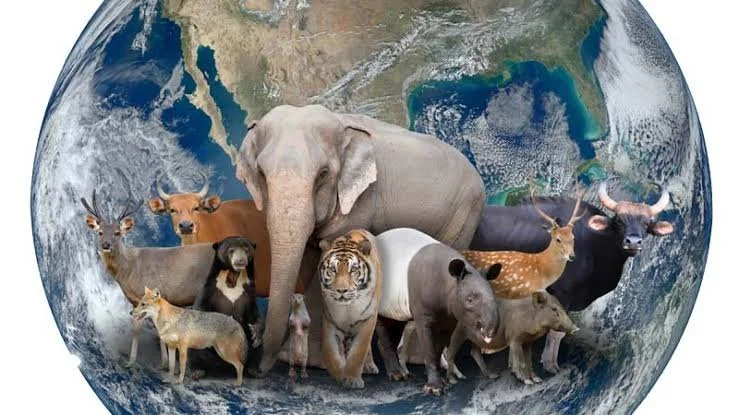
Our planet has a diversity of life-forms, and this richness exists for a reason. There’s a certain connectedness in the environment between species. Ecosystems with a balanced biodiversity are healthier and able to withstand a disturbance. This means that when any type of flora or fauna dies, it can trigger undesirable consequences. Let’s explore some of the specific effects.
By the numbers
First, the extent of the extinction problem should be explained. It may surprise you to learn that there are more than 26,500 species around the world at risk of disappearing altogether. This statistic is from the Red List of Threatened Species published by the International Union for Conservation of Nature.
Amphibians comprise 40 percent of this number, while conifer trees and shrubs make up 34 percent. Thirty-three percent are reef-sustaining corals and 25 percent are mammals, while birds account for 14 percent. In the United States alone, in excess of 1,600 species are endangered or threatened.
Four species at the forefront
Following are the ecological roles played by several critical species threatened or at risk, as well as a look at what our world stands to lose if these creatures disappear.
1. Bats
Bats are quite active pollinators. Over 500 different kinds of plant species, including avocados, bananas, and mangoes, depend on these winged nocturnal mammals to propagate. The place that bats have in pollination is an important one, chiefly because they’re mainly active during the nighttime when they pollinate plants that other pollinators such as birds and insects tend to miss. While other flying species are drawn to the beautiful daytime blooms of flowers and shrubs, bats focus on plants such as rare cacti.
Like other pollinators, bats spread seeds during their travels. This activity has been crucial to mitigate the effects of rainforest destruction where certain bat species live. Their excrement is known to be a potent fertilizer and carries nutrients into caves where it provides other species with nutrients. Not to be understated is the fact that humans have learned a lot from bats and have copied their echolocation navigation system in sonar and other inventions. The extinction of this species would represent a significant loss for humankind.
2. Birds
Birds pollinate about 5% of the plants that people rely on for food or medicine. Although that may not seem like a lot, birds are invaluable for the ecosystem in other ways, too. There are 85 billion birds around the world and the number of wild individuals is approximately 50 billion. These small specimens are everywhere, releasing seeds through their droppings in deserts, forests, and across every country. Their habitats are varied and their impact immense with seasonal migration from one part of the world to another.
As birds fertilize landscapes with their excrement, the waste produced by seabirds is credited with providing essential nutrients to sustain the health of coral reefs. Another way that birds help the environment is by keeping the insect population in check, an activity that assists with crop cultivation.
3. Snow leopards
Snow leopards live in harsh conditions, surviving in high mountain regions in central and southern Asia. These beautiful animals’ coloring allows them to camouflage themselves in the snow. Despite what little is known about them, their numbers are in decline, with an estimated population of 4,000 remaining. Due to global warming, the snow leopard’s habitat is getting smaller and, at the same time, their attractive, thick fur attracts poaching activity.
Because this species primarily hunts goats and sheep, they help to ensure that the number of these smaller mammals don’t get out of control and cause food shortages for other species by overgrazing. Conservation efforts are focused on working with livestock farmers to harness the ecological benefits of snow leopards while protecting farm animals from predation.
4. Whales
One of the primary advantages that whales have for the environment is in the waste they produce. The large amounts of fecal matter they release nourishes ocean life and supports a robust food chain. When whales die, the huge stores of carbon in their bodies comes to rest on the ocean floor, keeping it out of the atmosphere. In addition, the carcass of one of these massive creatures can feed up to 400 marine species.
This sea creature keeps the underwater ecosystem in balance. It consumes very large quantities of prey, with a single adult blue whale able to eat some 12,000 pounds of krill each day. Climate regulation is another outcome of a healthy whale population in that they support the growth of phytoplankton on the surface of the ocean, capturing CO2 in the process.
In closing
When a species becomes extinct, the whole ecosystem experiences the impact and becomes a little less functional and more fragile as a result. Therefore, the endangerment of these four species is a real concern.