How Veganism Protects Ocean Life
Sustaining a healthy ecosystem on our planet is a delicate dance. Where we source our food from can make a big difference in whether we’re helping or hurting our habitat. Following is what you need to know about eating fish and why you might consider adopting a vegan diet.
The problem
The needs and wants of humanity have had a huge impact that threatens Earth’s important environmental balance. From the loss of biodiversity to climate change to the depletion of resources, our ecological footprint is substantial.
When it comes to the kind of food we consume, it matters how and where we find it. Fish and other types of seafood are enjoyed by many individuals. However, satisfying this demand has meant serious adverse consequences for our oceans.
Overfishing of certain species
When a particular type of marine food is sought after, it can result in overfishing. The practice of catching an unlimited supply of crab, lobster, or another ocean delicacy can easily put the survival of that species at risk.
Even if there are regulations in place to protect marine animals, they may be challenging to police. Fishers hoping to maximize profits might take more than their share. Add to this the intensive fishing methods employed by the fishing industry and the situation is magnified.
Bycatch of other creatures
Common fishing practices put strain on marine creatures in another way through bycatch. This refers to other species of fish and marine life that are unintentionally caught in nets by small fishing boats and larger industry operators. A variety of ocean species may end up as bycatch. This includes corals, dolphins, sea turtles, sponges, and whales.
Bycatch is discarded and many of these animals die and are unable to return to their habitats. The fact that they can’t reproduce can be detrimental to the survival of their species, all the more so if they’re already endangered. This can interfere with efforts to rebuild populations of protected species to the point where their continued existence isn’t at risk.
Destruction of marine habitats
Sensitive marine ecosystems can sustain damage due to how fishing is carried out by this sector of the economy. Underwater habitats rely on strong coral reefs, seagrass beds, and other places that provide a home for a range of marine life with shelter, protection, and food.
Ocean ecosystems that are compromised because commercial fishing has destroyed parts of them are far less able to provide local marine populations with what they need. Fishing trawlers drag the ocean bottom and do untold destruction to habitats. When fish and other underwater species don’t have a home to go to, their numbers are apt to decline, which places their ongoing survival at greater risk.
Disruption of the ocean balance
When prey species are unintentionally caught, it reduces the amount of food available for other marine animals, further putting their lives in jeopardy. Moreover, when certain types of fish are in decline, it can lead to the overpopulation of smaller species. The outcome is even more difficulties for the local ecosystem. One example is coral reefs that depend on fish to control algae growth. With fewer fish to take on this task, algae can multiply unchecked and the reef’s ecosystem subsequently dies off.
Environmental pollution
Industrial fishing operations contribute to environmental pollution. In addition to greenhouse gas emissions, these commercial outfitters pollute the water. Would you believe that up to 1.1 million tons of fishing gear ends up discarded in the ocean every year? Abandoned lines, nets, and rope make up an estimated 10 percent of marine pollution.
The danger posed by this type of material is not just that it can injure and kill underwater species when they become tangled in the debris or consume the plastic particles that have broken away. The garbage can settle in habitats and interfere with the ability of marine animals to use them. Also worrisome is that this form of pollution can release chemicals and toxins that are detrimental to the entire food web.
Fish farming challenges
Due to the increasing demand for seafood around the world, some businesses have launched fish farming operations. Aquaculture, as it’s known, isn’t without its own challenges. There are both ethical and environmental concerns related to this industry.
The fish are typically raised in overcrowded conditions, the waste of which adds to water pollution in the area. The farmed fish are fed fishmeal that comes from fish caught in the wild, and this doesn’t relieve the pressure on overfishing. From time to time, fish escape from these enclosures.
The solution
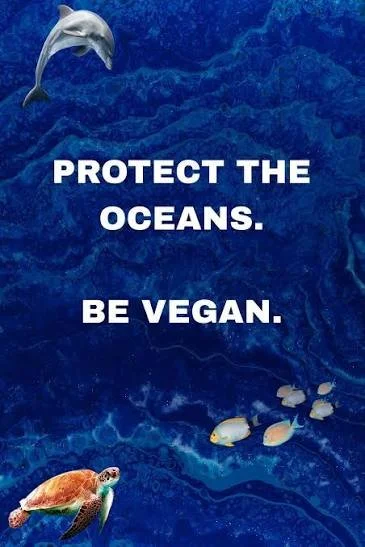
The ideal remedy to support ocean life is veganism. Even introducing plant-based recipes several days a week can be a good move. With enough people making a small change in the direction of veganism, it can give the oceans a chance to recover and precious marine an opportunity to regain their numbers.