A Look at the Impact of Deforestation on Biodiversity
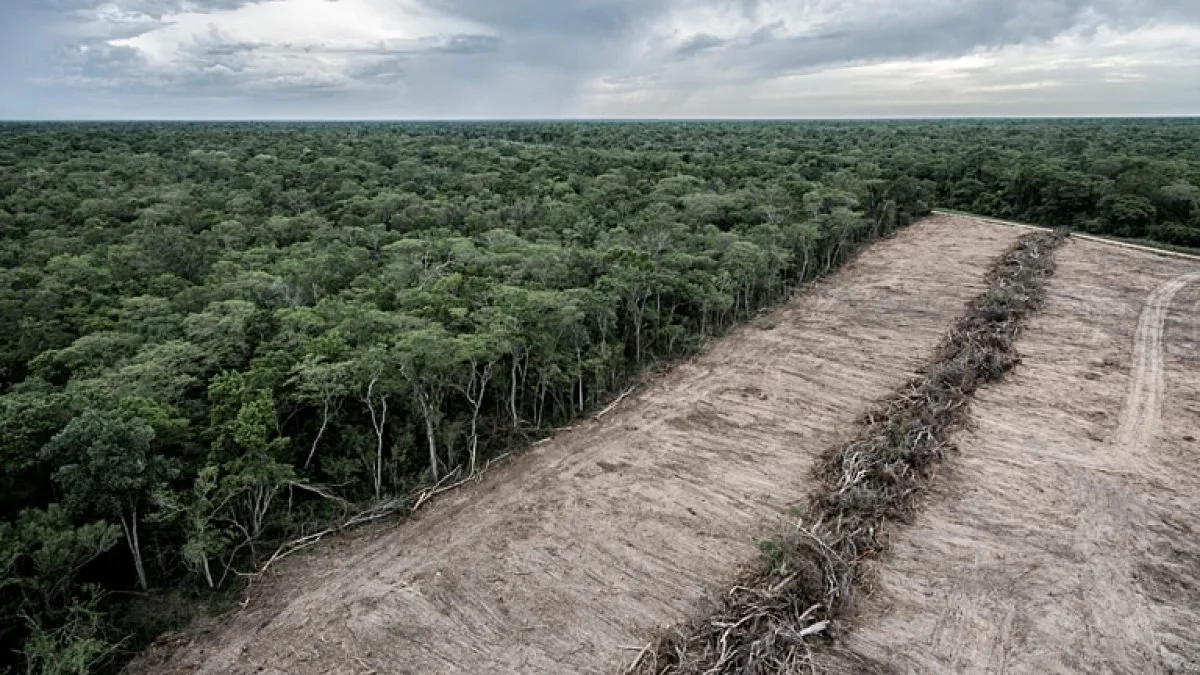
The world’s forests are home to an incredible diversity of flora and fauna. Covering approximately 30 percent of Earth’s land surface, forests are a critical habitat for a range of species. As such, the impact of deforestation is real and of great concern. Here’s what to know about forest destruction and biodiversity.
Deforestation defined
Essentially, deforestation occurs when wide swaths of woodland are cleared and trees are permanently removed. This often involves the underbrush and any young saplings, as well. The practice is calculated to turn former woodland over for other uses such as livestock grazing, crop agriculture, or urban development. Deforestation also occurs when land is logged and there’s no attempt to replant the area with young trees, or it’s taken over for infrastructure. In addition to the loss of trees, the species that once thrived in the forest habitat disappear, too.
Impact of deforestation
There’s no question that the variety of animals and plants thriving in the woods is unique. And, that’s not including the many types of fungi and microorganisms. While forests differ from one another depending on where they are located in the world, what they all have in common is that they provide food, shelter, and water for a wealth of different kinds of species.
Would you believe that from 1990 to 2020, some 420 million hectares of forestland was lost with an estimated 10 million hectares vanishing each year since then? Two-thirds of this land is located in the tropics and subtropics, regions which are known for supporting much of the world’s biodiversity. The Amazon, for example, is the planet’s largest rainforest with about 15,000 species of trees, 3,000 different kinds of fish in the local river system and 1,300 species of birds. This forest has lost 17 percent of its land mass due to deforestation. Southeast Asia and the Congo are similarly threatened and are among 24 deforestation hot spots that encompass Latin America, Oceania, and Southeast Asia.
When woodlands are lost, some organisms can become extinct while others show a decline in their numbers. The World Wildlife Fund suggests that forests account for about half of the Earth’s terrestrial biodiversity, and approximately 80 percent of terrestrial species require a forest habitat.
Other important detrimental impacts of deforestation involve nutrient cycling, pollination, and seed dispersal. For instance, when bees, birds, butterflies, and other pollinators no longer have trees for food and nesting needs, this interferes with some of these natural processes. Additionally, deforestation can change the climate of an area, affecting moisture retention, temperature, and soil quality, further influencing biodiversity.
Providing more space for agriculture
One of the primary reasons for clearcutting woodlands is to provide more space for agriculture. Livestock require grazing land and plants need farmland. Crops are cultivated for many reasons aside from human consumption. A long and growing list of products are made from palm and soy oils that come from large plantations. They’re used in everything from animal feed to biofuel to cosmetics.
Some forests have valuable deposits of coal, natural minerals and oil, making them prime targets for clearing to extract resources. Getting to these deposits usually means destroying not only the area in question, but building a way in for equipment. Roads, railways, dams, and power lines are other types of infrastructure that destroy or diminish forests and leave them in a fragmented state, all the more so if the planning is done poorly without regard to sensitive ecosystems.
Why biodiversity matters
Biodiversity is essential for the well-being of the planet and humanity. Healthy ecosystems are necessary for producing food and purifying water, not to mention their role in controlling disease and regulating the climate. The United Nations Environment Programme assesses the economic value of services delivered by Earth’s ecosystem as $125 trillion annually.
People benefit from biodiversity with better health and nutrition. Many of the pharmaceuticals we depend on to fight illnesses come from the rich range of plants and animals in the woodlands. Agriculture relies on wild plants to strengthen crops by expanding genetic diversity, improving disease resistance, and increasing pest resistance.
Furthermore, many individuals depend on the biodiversity of forests for their livelihood. Trees offer valuable resources like honey, rubber, timber for building, and wood for fuel.
In addition, forests are valuable for the role they serve as carbon sinks to mitigate climate change. Disappearing forests means fewer trees to take in some of the carbon dioxide that would otherwise be released into the atmosphere and exacerbate global warming and contribute to climate change. Plus, when trees are removed, it increases carbon emissions in the region. In a related instance, rainforests on peatlands in Sumatra, Indonesia, are being cleared for pulp plantations, adding to the country’s already high greenhouse gas emissions.
In closing
Deforestation is one of the leading causes of biodiversity loss, putting countless species and entire ecosystems at risk.